Health
Wisconsin reports first measles death in 36 years after infant dies
By Marcus Chen
Advertisement · Why this ad?
Katherine oversees editorial operations across all six brands. Before joining The Meridan Group, she spent 14 years at the Minneapolis Star Tribune, where she led the metro desk through its digital transformation. She holds a Master's in Journalism from Northwestern's Medill School.
More from Katherine →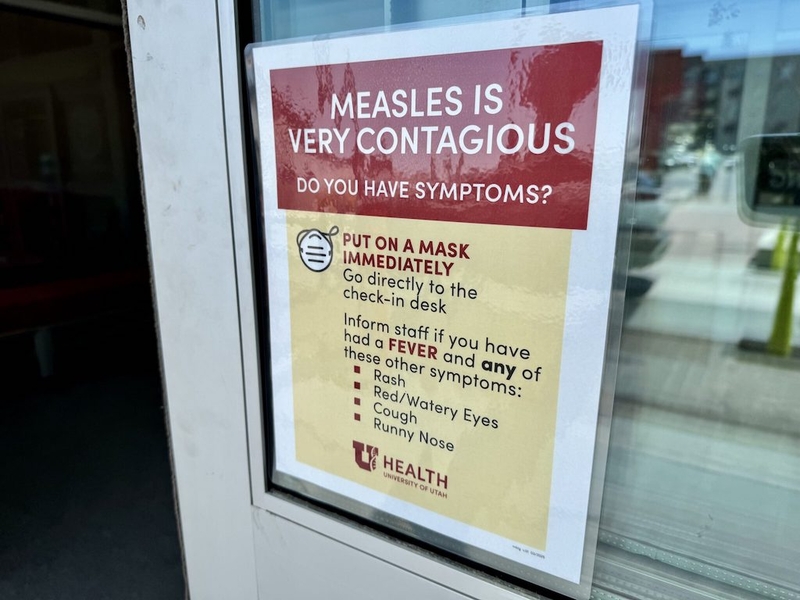
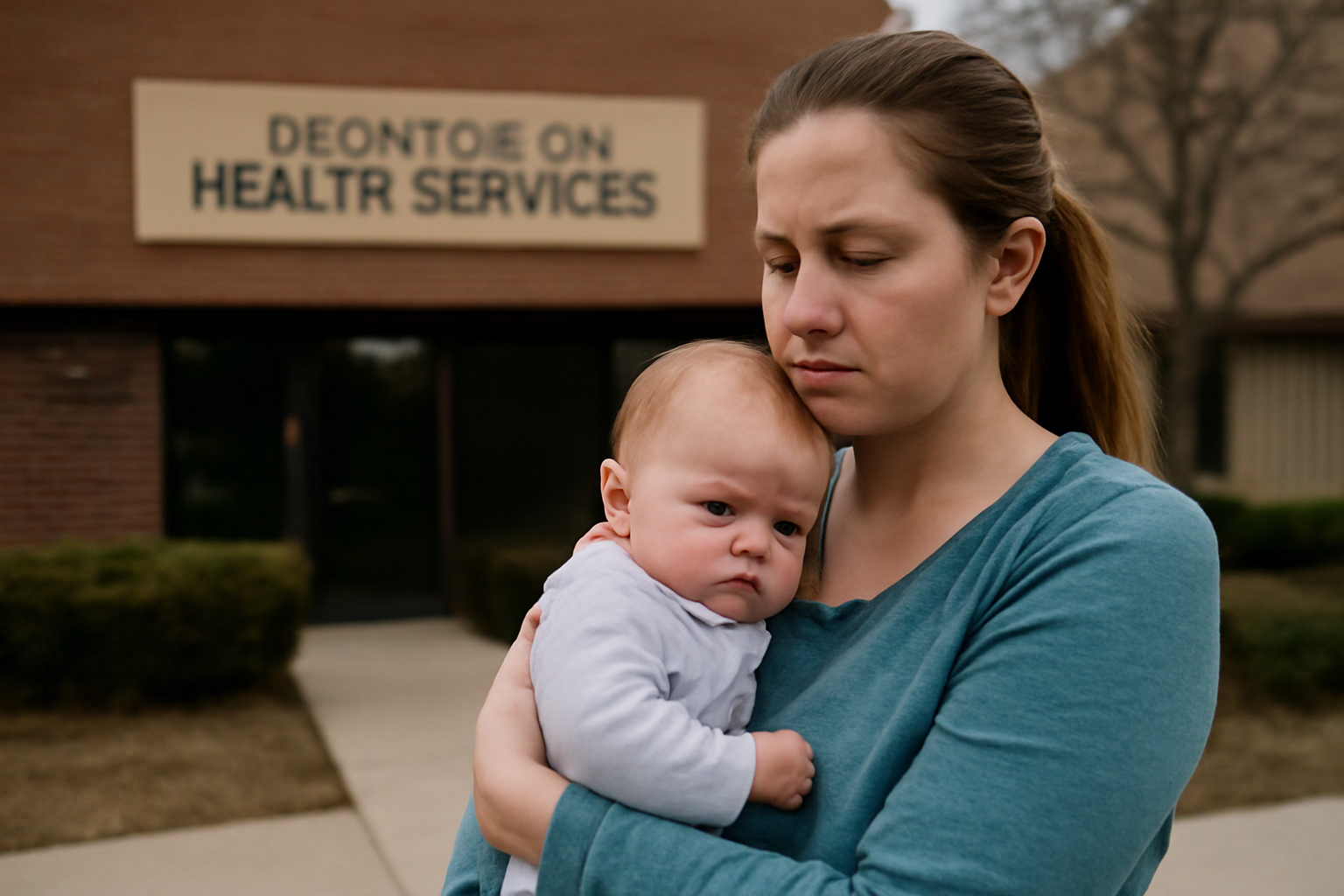
The sudden and tragic loss of a Wisconsin infant to measles, the first such death in the state since 1990, casts a stark light on the escalating public health crisis unfolding across the state. This heartbreaking event, reported Thursday by the Wisconsin Department of Health Services, comes as Wisconsin is experiencing its largest measles outbreak in over 35 years, with 431 cases reported across 13 counties as of Tuesday. The infant’s death underscores the severity of the situation and highlights the urgent need for renewed focus on vaccination and addressing declining immunization rates.
According to state health officials, the Department of Health Services has not released additional details about the infant’s death, citing the family’s privacy. Dr. Ryan Westergaard, chief medical officer for the Wisconsin Department of Health Services, addressed reporters at a media briefing, stating that the current situation represents the largest number of measles cases in over 35 years. The number of cases reported in 2026 is more than ten times the 36 cases reported just last year, and a dramatic increase from the single or zero cases typically seen in previous years. This outbreak highlights a concerning trend: measles, once effectively controlled through vaccination, is resurging due to insufficient immunity within communities. The Wisconsin Department of Health Services offers resources and information on vaccinations for all ages.
The cornerstone of measles prevention is the MMR vaccine, which protects against mumps, measles, and rubella. Two doses of this vaccine are approximately 97% effective in preventing infection. However, achieving herd immunity—the level of vaccination needed to protect entire communities—requires approximately 95% of the population to be vaccinated. Currently, Wisconsin's vaccination rate for kindergarten-age children stands at 85%, falling short of this crucial threshold, with national rates at 92%. This gap creates vulnerabilities, allowing the virus to spread more easily and find new hosts. The Wisconsin Policy Forum recently released a report indicating that only 87.4% of students in grades K-12 have met the state’s minimum immunization requirements for schoolchildren for the 2025-26 school year, a near-record low. Wisconsin Policy Forum is a nonpartisan research organization dedicated to serving as a trusted resource for policymakers and the public.
“Measles was once a common childhood infection in the United States,” Dr. Westergaard explained. “What brought it under control was vaccination to the point that many physicians practicing today have never seen a case. That was an extraordinary public health achievement. But it wasn’t permanent and it wasn’t inevitable that we would have that success.” He emphasized that the current outbreak is a direct consequence of insufficient vaccination coverage, allowing the virus to re-emerge and spread among susceptible individuals. The reasons for declining vaccination rates are complex, including an increased number of required vaccines, lingering concerns stemming from the COVID-19 pandemic, and a rise in personal conviction waivers allowing families to opt out of mandatory vaccinations. Centers for Disease Control and Prevention (CDC) – Measles provides comprehensive information on measles, including symptoms, prevention, and treatment.
Dr. Stephanie Schauer, the Wisconsin immunization program manager, stressed the importance of community awareness regarding vaccination rates. “We have many pockets in communities throughout Wisconsin that have these lower levels, that we are concerned if measles is introduced, we could see community spread,” she said. The state is actively working to increase vaccine access through programs like the Vaccines for Children program, which provides free vaccines to families with limited insurance. Since August, healthcare providers have administered approximately 42,000 doses of the MMR vaccine statewide, and between 500 and 600 infants have received early doses as recommended by the DHS. Vaccines for Children Program helps families who may not otherwise be able to afford them.
Measles typically begins with a fever, cough, runny nose, and red eyes, with its telltale symptom, a red rash over the body, showing up several days later. It is not simply a childhood illness; it can cause pneumonia, inflammation of the brain, permanent disability and death. Measles is also extraordinarily contagious. The airborne virus can remain in a room for as long as two hours after an infected person leaves. When a person who’s not immune is exposed, “there’s a very high likelihood they’ll become infected,” Westergaard said.
The death of the infant has sparked a strong reaction from the community. DHS Secretary Kirsten Johnson said in a statement that her “heart is broken for the family.” “Any death of a child is a tragedy and even more so when it is related to a vaccine-preventable disease,” Johnson said. “Measles can cause serious illness and death, and it is important for all Wisconsinites to evaluate their risk and take steps to protect themselves and their family.” Nine people have been hospitalized with measles this year, and over 99% of cases have been in people who are unvaccinated.
Despite the clear benefits of vaccination, some parents remain hesitant. The Wisconsin Policy Forum report highlights several factors contributing to declining vaccination rates, including the disruption and controversy surrounding the COVID-19 pandemic and an increase in personal conviction waivers. “We need to ensure all children have access to vaccines and work to rebuild trust with the public,” said Dr. Ryan Westergaard, chief medical officer for the Wisconsin Department of Health Services. “Public health officials must target students behind schedule in their vaccines, reduce the number of personal conviction waivers, and address the challenges posed by the pandemic.”
To combat the outbreak, the DHS is recommending that infants who are 6 to 11 months old and considered at increased risk of exposure to measles receive an early dose of the vaccine. Healthcare providers have been notified about this recommendation, and providers can recommend it to patients with infants whose risk level warrants it. This proactive measure aims to provide protection to vulnerable infants before they reach the standard vaccination age.
The Wisconsin Department of Health Services will continue to monitor the measles outbreak closely, providing updates and guidance to healthcare providers and the public. Efforts to increase vaccination rates will intensify, with a focus on targeted outreach to communities with lower immunization coverage. Healthcare providers are urging parents to ensure their children are up-to-date on their vaccinations, particularly the MMR vaccine. The state is also working to improve vaccination rates and address the underlying issues that contribute to vaccine hesitancy.
For more information about measles and vaccination, residents can access the following resources:
The news of this infant’s death is profoundly saddening, and it should serve as a wake-up call for our community. While medical advancements have eradicated countless diseases, the resurgence of measles demonstrates that vigilance and commitment to public health remain essential. The decline in vaccination rates isn't simply a statistic; it represents a breakdown in trust and a potential erosion of the values we hold dear—the protection of our children and the well-being of our neighbors. It is incumbent upon us, as parents and community members, to examine the reasons behind this hesitancy and to engage in respectful dialogue, grounded in facts and guided by compassion. Strong families, built on a foundation of health and security, are the bedrock of a thriving society. We must actively support initiatives that promote vaccination, address concerns with empathy, and ensure that all children have the opportunity to grow up healthy and strong.
The questions that remain are: How can we rebuild trust in public health institutions? And how can we better support families in making informed decisions about their children's health?
Closing
The tragic loss of this infant serves as a stark reminder of the importance of public health measures and the value of community responsibility. It is a moment for reflection, urging families to review their vaccination status and to engage in informed conversations with healthcare providers. While the immediate focus is on containing the current outbreak, the long-term solution lies in rebuilding trust in vaccinations and ensuring equitable access to preventative care for all children and families in Wisconsin.
By Marcus Chen

By Katherine Langford

By Marcus Chen
By Marcus Chen